Light roast is a truthful roast. It refuses to hide bad environment-friendly coffee behind caramelization. https://specialtycoffeebeans.com.au/ It presses acidity to the front. It asks for cautious extraction and rewards you with clarity, florals, citrus, rock fruit, and sweetness that spends time like the last light on a clear day. If you enjoy that profile, the shipment solution you select issues greater than you could assume. Quality, roast technique, packaging, and logistics all shape the mug. After a years of dialing in light roasts at home, racking up problems on cupping tables, and fielding agitated texts from buddies concerning sour shots, I have a functioning map for browsing Coffee Beans Delivery options without losing the magic that light roast promises.
What light roast actually needs from a delivery service
Light roast is breakable in a different way than dark roast. You are spending for unpredictable aromatics and nuanced origin personality that dull swiftly with oxygen, heat, and time. The most effective Coffee Beans Delivery for this design obtains 4 things right, and you can hear them in the cup.
First, roast day issues. If a roaster will not publish it, proceed. The range I go for is shipping within 24 to 72 hours of roast, arriving within a week, and developing from day 5 to day 21 for most cleaned coffees. Natural-processed and anaerobic lots can take advantage of a somewhat longer rest, 8 to 28 days, as entraped carbon dioxide and fermentation notes settle into balance. Distribution that regularly goes down beans older than 2 weeks on arrival prices you top notes and sweetness.
Second, product packaging should be absolutely oxygen-limiting. One-way shutoffs are conventional now, but the real distinction turns up with high-barrier bags and trustworthy seals. I have actually checked this in my own kitchen: the same Kenyan light roast in an inexpensive slim bag lost its berry and flower aromatics by day 10, while the high-barrier bag variation held till day 18. If the solution allows you select vacuum-packed or nitrogen-flushed bags for unusual lots, that's worth the little surcharge.
Third, logistics should match your environment. In summertime, beans bake in vans if shipments sit throughout the day. Roasters that avoid Friday roast-and-hold, ship early in the week, and deal cool-pack options for warm areas secure light roasts from sampling baked and flat. A faint bread crust or peanut note where you expected citrus can indicate warm exposure during transit.
Fourth, curation for light roast especially. A service that states "we roast light" means little unless you see roast curves and intent. Look for roasters that discuss end temperature level and growth time, not simply tasting notes. If they publish shade metrics like Agtron or Tonino, also better. A light roast for filter might relax 65 to 75 on the Specialty Coffee Organization scale, while an espresso-focused light might dip a few factors darker to assist solubility.
Origin and procedure for light roast lovers
The most consistent light roast crowd-pleasers come from a handful of origin profiles. Ethiopia, Kenya, and Colombia cover the list for me, but each has traits that impact your distribution choice and just how you plan to brew after the box arrives.
Ethiopian cleaned coffees often sing with florals and citrus. They lose special much faster than denser, fruit-forward naturals. If you purchase washed Ethiopian heirlooms, aim for smaller, much more regular shipments so you are always inside that 7 to 18 day sweet area. Ethiopian naturals handle a longer home window and tolerate minor shipping delays, so they function well if you live much from significant hubs.
Kenya's SL28 and SL34 lots, when clean and well refined, bring blackcurrant, grapefruit, and tomato fallen leave. They can taste wild if you brew prematurely or as well hot. I like a delivery that lands me a day 7 first brew and maintains me equipped via day 21. Kenyans can still pop at four weeks, yet the acidic fireworks smooth right into a more rounded red fruit, which some people prefer.
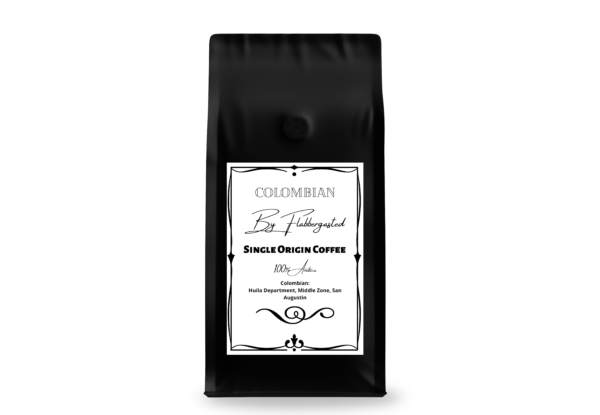
Colombia is a shape-shifter. Traditional cleaned Colombians bring apple, panela, and a sugar backbone that makes them approachable at light roast. Extended fermentation lots and anaerobics from Colombia can include exotic fruit and a shimmering structure. These typically need a longer rest and steadier work adjustments. If your Coffee Beans Delivery solution flags these as "remainder 10 to 2 week," listen.
Other origins are entitled to an appearance. High-grown Guatemala (Huehuetenango particularly) provides chocolate and citrus, a mild bridge for individuals alleviating into lighter roasts. Rwanda and Burundi cleaned coffees deliver tea-like bodies and rock fruit, yet periodically reveal potato defect; purchase from services with strong quality control and no-questions substitute plans. Panama and Costa Rica use unique selections and high-elevation microlots that take advantage of nitrogen flush and mindful shipping.
Single roaster subscriptions vs multi-roaster curation
I have actually run both designs in the house for several years. Single roaster registrations provide you uniformity in roast design and logistics. Multi-roaster solutions allow you visit the globe without chasing after every specific roaster's shipping plan. Light roast followers need to weigh trade-offs.
Single roaster memberships beam when the roaster is a real light-roast specialist. Their team dials accountable temps, takes care of Maillard, and stays clear of tipping or sweltering that will convert into peanut shells in your mug. The delivery is foreseeable, and you find out exactly how their coffees act on your gear. The drawback is taste buds fatigue if every little thing shares the exact same roast signature.
Multi-roaster services resolve dullness. You might obtain an Ethiopian from a Scandinavian-style roaster one month, then a Kenyan from an Australian micro-roaster the following. However, the distribution solution ends up being the center layer between you and the roast date. The best ones coordinate roast-to-ship snugly and publish days. The mediocre ones send out stock that remained on a shelf for a week. For light roasts, that distinction is not subtle.
If you remain in Australia, the calculus adjustments again. Coffee Beans Delivery Australia has a benefit for quality. Many Australian roasters lean lighter, and the residential logistics are much faster than importing from the United States or Europe. If you want Nordic-style light accounts without worldwide transit, seek Melbourne and Sydney roasters known for high-elevation washed Ethiopias and Kenyas. Domestic delivery keeps your coffee inside its suitable rest period, and you prevent customs delays that can add three to five days.
Shipping speed, frequency, and bag size
A reliable system defeats ideas. Light roast does not like being hoarded. It desires a strategy, which plan functions best when you match your brew volume to distribution cadence.
- Choose 250 g or 12 oz bags if you brew one to two mugs daily. That size burns down in 7 to 10 days, maintaining you inside the brilliant window. If you brew for a home or office, 1 kg bags can make good sense, but only if you freeze partial sections on day one. Separate right into impermeable canisters or fridge freezer bags, squeeze air out, and freeze. Defrost one portion over night. Do not thaw and refreeze. Weekly or once every two weeks shipments defeat monthly. Even if delivery sets you back a bit a lot more, the mug quality pays you back. Build a buffer of one bag in the freezer for emergencies, yet do not let a queue of 6 bags collect frost for months. Light roast is about immediacy.
I've tracked waste over a year throughout a loads families. The homes that received 250 g every 10 days reported the fewest stagnant cups and the least brew accidents. The ones that acquired two kgs monthly without freezing consumed the last 3rd since it existed, not because it tasted great.
What to try to find in a website or product page
Not all marketing tells the truth, yet certain information associate highly with good cups.
Roast date revealed and valued. If you can choose a roast day or the web page informs you "Roasts Tuesday, ships Wednesday," you're in far better hands than when it states "Fresh roasted" with no calendar.
Varietal and processing detail. A web page that provides SL28, SL34, washed, dual fermentation, or specific anaerobic designs helps you anticipate how to brew and relax. Vague "Arabica blend, medium-light" typically suggests compromise.
Altitude. For light roast followers, greater elevation usually equates to denser seeds and more powerful acid structure. Elevation varies around 1,800 to 2,200 meters generally supply the vibrancy you want, assuming cautious roasting.
Sensory uniqueness. "Lemon zest, jasmine, white peach" reads differently than "citrus, floral, fruity." It recommends the roaster really cupped the whole lot very carefully and can replicate those notes. If they also supply cupping ratings or descriptors from multiple staff members, that's a good sign.
Brew assistance that recognizes remainder time. If the roaster says, "We similar to this at 12 days for pour-over," that's functional, testable info. A service that claims "baked today, beverage today" for light roasts is selling the odor of fresh roast as opposed to the taste of the coffee.
Australia-specific notes for light roast delivery
Australia's coffee culture turns toward espresso, yet the previous years has seen an explosion of light-roast filter professionals, specifically in Melbourne and Sydney. For Coffee Beans Delivery Australia, two logistics quirks matter.
First, distance. Shipping from Melbourne to Perth can feel like shipping from London to Athens in regards to transit time. If you live in WA or the NT, select roasters with regional depots or those that roast early in the week and use reveal services. You can additionally pre-plan by purchasing a bit previously and freezing portions.
Second, warm. Summertime shipment in Australia can be intense. Even 2 hours in a hot van can damage light roasts. Some solutions allow "hold at post workplace" or signature-on-delivery. Making use of those stays clear of a bag baking on a front door. If you get a bundle that really feels abnormally warm, rest it longer and start with a somewhat cooler brew water to reduce baked flavors.
Currency and import factors to consider likewise form options. Importing a 250 g bag from Europe may cost you more than the coffee deserves by the time duties and shipping build up. For those chasing specific Scandinavian profiles, consider aggregated multi-roaster solutions that team shipments to Australia to minimize per-bag expense and time in transit.
Avoiding the typical risks that flatten light roast
I see the very same blunders duplicated, and they have little to do with the beans themselves.
Rushing the remainder. Fresh roasted light coffee off-gasses aggressively. Brewing on day two commonly produces a foamy blossom and a cup that tastes brilliant and thin. Provide it even more time. That "hollow" acidity fills out around day seven.
Grinding as well crude. If you are obtaining lemon water and no sweet taste, do not criticize the roaster yet. Grind finer till you struck an equilibrium of acidity and body. For filter, many light roasts want a grind 10 to 20 percent finer than you 'd use for a darker roast. For espresso, light roasts need an also finer work and usually gain from longer proportions, like 1 to 2.5.
Ignoring water. Light roasts subject water troubles. If your kettle water is really hard, you'll silence level of acidity and clearness. If it's also soft, the cup can taste sour and papery. I have had accurately superb results with water around 60 to 80 ppm as CaCO3 general solidity and 20 to 40 ppm alkalinity. Some distribution solutions include water dish cards. Use them.
Brewing as well warm or as well boldy. You can raise extraction without sweltering the surface by utilizing pulse puts and a little cooler water, 92 to 95 C, for delicate washed Ethiopians. Hostile, continual pours at 98 C can pull out extreme tannins early.
Letting oxygen win. Leaving the bag open on the counter for 2 weeks is a surefire way to boring florals. Roll the bag shut, make use of a cylinder with a one-way valve, or split right into tiny jars. If you consume alcohol slowly, freeze portions.
How to use your shipment to explore without wasting money
Exploration is where delivery shines. You can chase after harvests and seasonal changes. But no person wants a kitchen packed with half-finished bags. Develop a slim path.
Start with a stable anchor coffee that you know you'll consume alcohol even if your experiments fall short. A washed Colombian from a trusted roaster often fills up that role. Add one "adventure" bag per shipment. When the journey hits, remember on what worked in your brew technique. When it misses, alter two variables prior to you give up: grind and dosage. I have actually seen a lifeless Ethiopian awaken by relocating from 15 g to 16 g in, keeping the very same 250 g out, and tightening the grind by one micro-step on an EK43.

If the service allows notes in your registration, inform them what you liked and what fell flat. Great managers use that responses. I as soon as informed a buyer that I enjoyed the florals of a certain Yirgacheffe but found the body too thin. The following delivery included a Sidama with longer Maillard growth and a slightly lower end temperature level, and it poured like silk while maintaining the jasmine.
Espresso with light roasts through delivery
Light roast espresso is dissentious. It is additionally, when it clicks, a discovery. It tastes like a concentrated filter coffee with framework, not a sugar bomb. Yet it penalizes sloppy distribution and irregular doses.
If your Coffee Beans Delivery service offers an espresso-specific light roast, attempt it initially. The roaster has actually likely constructed a little added advancement to aid solubility. If not, you can make a filter-aimed light roast service coffee by adjusting parameters.
I target a longer proportion, frequently 1 to 2.5 or 1 to 3, at 7 to 9 bars, with lower temperature levels in the 91 to 93 C range to handle bite. Pre-infusion assists. Some devices allow you hold a line at 2 to 3 bars for 10 to 15 seconds, which alleviates water into dense grinds. For baskets, high-extraction precision baskets can help in reducing channeling. For grinders, unimodal burrs supply clarity at the expense of body. If you like extra appearance, conelike burrs can round edges.
Plan your shipments around the need to rest. Most light roasts taste better as espresso around day 10 to 20. That means your best efforts might land a week after the mail arrives. Order accordingly.
Price, worth, and where to splurge
Price does not linearly anticipate quality. A $20 bag of fresh, tidy, washed Ethiopian from a cautious roaster can outshine a $35 anaerobic uniqueness if you prefer pureness over tricks. But some price costs make sense.
Pay additional for deducible microlots when you chase after a certain variety like Gesha or SL28, or a farm whose processing you depend on. These lots commonly have actually limited quantities and more careful sorting.
Pay extra for solutions that ensure roast-to-ship timelines and replace bags that get here with issues. Light roasts intensify baggy, phenolic, and fermentation faults. You need to not bankroll a roaster's knowing curve.
Skip markups on branding alone. If a bag hides roast dates, varietals, and handling, you are covering marketing prices, not much better coffee.
As for shipping, a few of the most effective Coffee Beans Delivery services fold it right into subscription rates. Don't be tricked by "complimentary shipping." Compare total cost per 100 grams provided to your door. The most affordable rate per gram does not constantly equivalent worth if you end up throwing out stagnant coffee.
Practical means to test a new shipment service
You do not need a lab to judge a solution. You simply need a method and attention.
Brew the very same dish across two deliveries from the very same roaster, maintaining mill and water consistent. Keep in mind days considering that roast, overall brew time, and sensory notes. Irregularity beyond a little variety recommends inconsistent roast or fulfillment.
When a bag arrives, scent it before opening up. If you catch solid roasted peanut or barley, think about warm damages or quakers. Light roast is not intended to scent like toast.
Open, dose, and consider the beans. Consistent dimension and color across the set show mindful sorting and roasting. Pale, insect-bitten beans or scorch marks reveal inadequate environment-friendly selection or as well warm a drum.
Cup the coffee alongside at 60 C and once again at area temperature level. Fantastic light roast keeps sweetness and sheds resentment as it cools. If it breaks down right into sour and papery by area temperature, turn your focus to either grind or water. If neither assists, the coffee may not have the thickness or processing cleanliness to sustain a light profile.
When to cancel or switch
Loyalty is praiseworthy, yet your taste deserves sincerity. Change when shipments show up more than 10 day of rests roast without warning, when tasting keeps in mind squash across origins, or when customer care deals with light roast inquiries as nitpicking. I when stayed with a precious roaster with 3 months of soft mugs before recognizing their head roaster had actually altered and the design moved a complete shade darker. My pour-overs obtained larger and less verbalize. A switch to a various service revived the quality I missed.
If you live far from toasting hubs or in extreme environments, take into consideration regional services made for your conditions. In tropical heat, choose cool-pack options and shorter transportation routes. In chillier areas, winter shipping can dry out beans in low moisture atmospheres. Reseal bags quickly and utilize canisters.
A portable purchasing and developing list for light roast delivery
- Confirm roast date and roast-to-ship home window before you buy. Choose bag size that matches your once a week intake, ice up the rest on day one. Align water: modest firmness, moderate alkalinity, prevent extremes. Rest light roasts at least 5 to 7 days for filter, 10 to 20 for espresso. Adjust work initially when the mug does not have sweet taste, then tweak dosage and temperature.
Where the pleasure lives
The right Coffee Beans Delivery transforms your kitchen area into a tasting area. A washed Yirgacheffe showing up on Tuesday, relaxed till Saturday, ground a notch finer than last week's Guatemala, and brewed with 93 C water can taste like lemon candies and honeysuckle. The following week, a Kenyan programs up with blackcurrant and a tasty edge that asks for a slightly higher dose and slower drawdown. With an excellent distribution partner, you are not chasing after coffee, you are discovering it. You develop a vocabulary for acid, sweet taste, and framework. You detect seasonal drift, harvest waves, and exactly how weather condition touched a farm fifty percent a globe away.
Light roast asks you to take part. It provides you back accuracy, openness, and a feeling that your options issue. Choose delivery that respects that. In Australia or anywhere, the most effective Coffee Beans Delivery is the one that deals with time, oxygen, and logistics as taste decisions, not second thoughts. When you locate it, your early morning mug will tell you so without a single word on the bag.